Oakland Wrongful Termination Lawyer Devin Coyle

Free consultations. No upfront fees or costs.
Wrongful Termination
Losing your job can feel like losing your footing, especially when you suspect the reason you were given isn't the real one. If you were fired and something doesn't add up, you deserve a clear answer about whether the law was on your side. I represent employees throughout California, primarily in Oakland, the East Bay, Alameda County, and Contra Costa County.
"At-will" employment has limits
California presumes that employment with no set term can be ended by either side. Employers sometimes use that rule to insist they can fire anyone for any reason. They can't. Firing someone for an illegal reason is unlawful, even if the job was “at-will.”
Situations that may be wrongful termination
Fired after reporting harassment or discrimination. It is unlawful to discharge someone for opposing practices the Fair Employment and Housing Act forbids, or for filing a complaint or taking part in a proceeding about them (Gov. Code, § 12940, subd. (h)). This can include complaints made to a supervisor, HR, or a government agency.
Fired for whistleblowing or refusing to break the law. Employers may not retaliate against an employee for disclosing suspected violations of law to a government or law enforcement agency or to a person with authority over the employee, or for refusing to take part in an activity that would violate the law (Lab. Code, § 1102.5).
Fired because of who you are. Firing someone because of characteristics such as disability, medical leave, pregnancy, maternity/paternity leave, race, religion, national origin, sex, gender, or gender identity is unlawful (Gov. Code, § 12940).
Fired during or after pregnancy, medical, or family leave. California law gives eligible employees the right to take pregnancy disability leave of up to four months (Gov. Code, § 12945) and up to 12 workweeks of family care and medical leave in a 12-month period (Gov. Code, § 12945.2). Eligibility rules apply. If you were fired around a leave, the timing matters.
Signs worth a closer look
You were fired soon after complaining, requesting leave, or asking for an accommodation
The reason for your firing changed or doesn't match your performance record
You received strong reviews, then sudden discipline
Others who didn't complain or take leave were treated differently
You were pressured to resign or sign a severance agreement quickly
None of these proves a legal claim, but they are worth discussing.
If you've just been fired
Write down what happened while it's fresh, including dates, names, and what was said.
Keep what you're legally allowed to keep, such as your own emails, texts, reviews, and termination paperwork. Don't take anything you aren't authorized to have.
Talk to a lawyer before signing a severance or release. Signing can affect your rights.
Don't wait. Legal deadlines apply, and evidence gets harder to find over time.
How I can help
I'll listen to your story, explain how the law applies, and tell you honestly whether I think you have a claim and what your options are. If I can take your case, there are no upfront fees or costs.
Common questions
Can I be fired without warning in California? Often yes, if the reason isn't illegal. The question is why you were fired.
I complained to HR before I was fired. Is that protected? Complaints about discrimination, harassment, or illegal conduct can be protected, including internal ones (Gov. Code, § 12940; Lab. Code, § 1102.5). Whether your situation qualifies depends on the facts.
What if my employer says it was a layoff or a performance issue? Employers often give lawful-sounding reasons. Whether that was actually the real reason is what a lawyer can help evaluate.
What does a consultation cost? Nothing. Email freeconsultation@devincoylelaw.com, call or text (510) 929-4260, or use the form below.
This page is general information, not legal advice. Contacting me does not create an attorney-client relationship.
Request a Free Consultation
Practice Areas
-
-
-
-
-
-
-
-
-
Applicants with Section 8 Housing Choice Vouchers are protected from discrimination based on their source of income. See, Government Code § 12955.
As of January 1, 2024, SB 267 strengthened existing law by requiring landlords to consider a housing applicant’s receipt of a government rent subsidy (such as a Section 8 Housing Choice Voucher) when assessing the applicant’s income and ability to pay the rent.
In addition, housing applicants who receive a government rent subsidy must be allowed to provide an alternative to a credit report as a means of proving their ability to pay rent, including, for example, public benefit payments, pay records, and bank statements.
If you have been denied housing, or the opportunity to apply for housing, based on your source of income, please contact me immediately.
-
“I cannot shout loudly enough that no one should choose any employment attorney, anywhere, anytime, before consulting Mr. Coyle first.”
— Former Client
Where would you like to start?
I help people with all types of injustices they experience at work, at home, and with businesses they visit as customers. Your experience is important to me. Where would you like to start?
-
Talking about discrimination, retaliation or harassment is difficult. I care about what happened to you, and if you share your story with me, I will listen. If you feel uncomfortable, need a break, or want to stop, just let me know.
-
You may have never even told anyone what happened to you. You may have been through trauma before, making your experience even more difficult. I will take the time to explain what the law is, and why I am asking each of my questions.
-
One of my goals is to get to know potential clients in a neutral space where stigma and preconceptions are absent.
-
You are doing something good by standing up for yourself and exploring all available options and potential remedies.
Where I practice
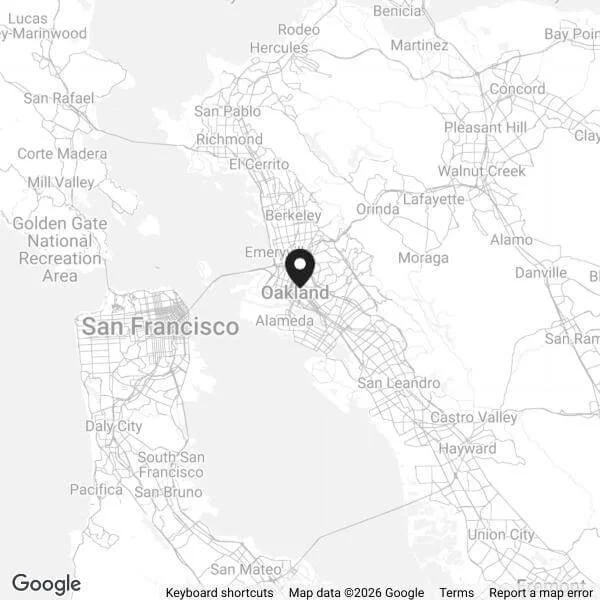
Oakland, the East Bay, San Francisco, Alameda and Contra Costa Counties